
Companies are better when they know their customers well. A key to knowing them well is being able to predict when they have become disengaged, dissatisfied, and ultimately when they are about to disappear. Helping companies do so is the core focus of our project.

To that end, we built a customer loyalty prediction engine, which estimates which customers are at risk of leaving and when they are most likely to do so. The results are delivered to the company via a highly customizable, highly interactive dashboard, which allows an in-house marketing team or a team of AI agents to intervene before it is too late.
Our system captures real-time player activity through their casino card, tracking gaming sessions, food & beverage purchases, spa visits, and special events. This data flows through our inference engine to generate churn predictions, which are then delivered to the customer retention team for targeted intervention strategies.
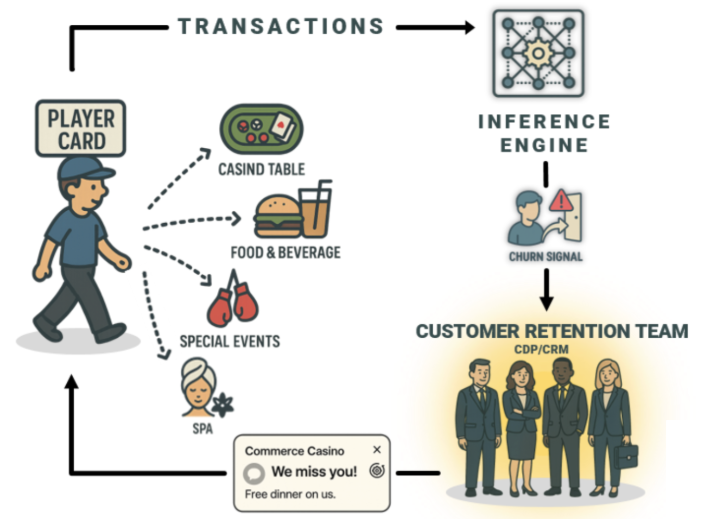
To deliver this, we built, tested, and deployed our prediction engine in the following steps:

We collect anonymized data from Commerce Casino customer gaming sessions.

The data is uploaded to a database in Azure Lab.

EventBridge will now trigger an AWS Lambda function that starts an ECS task. The ECS task will run ETL and the machine learning models.

ECS task performs ETL (Extract, Transform, Load) operations on the data to prepare it for analysis.

Based on the new data, segment the customers into different customer groupings.

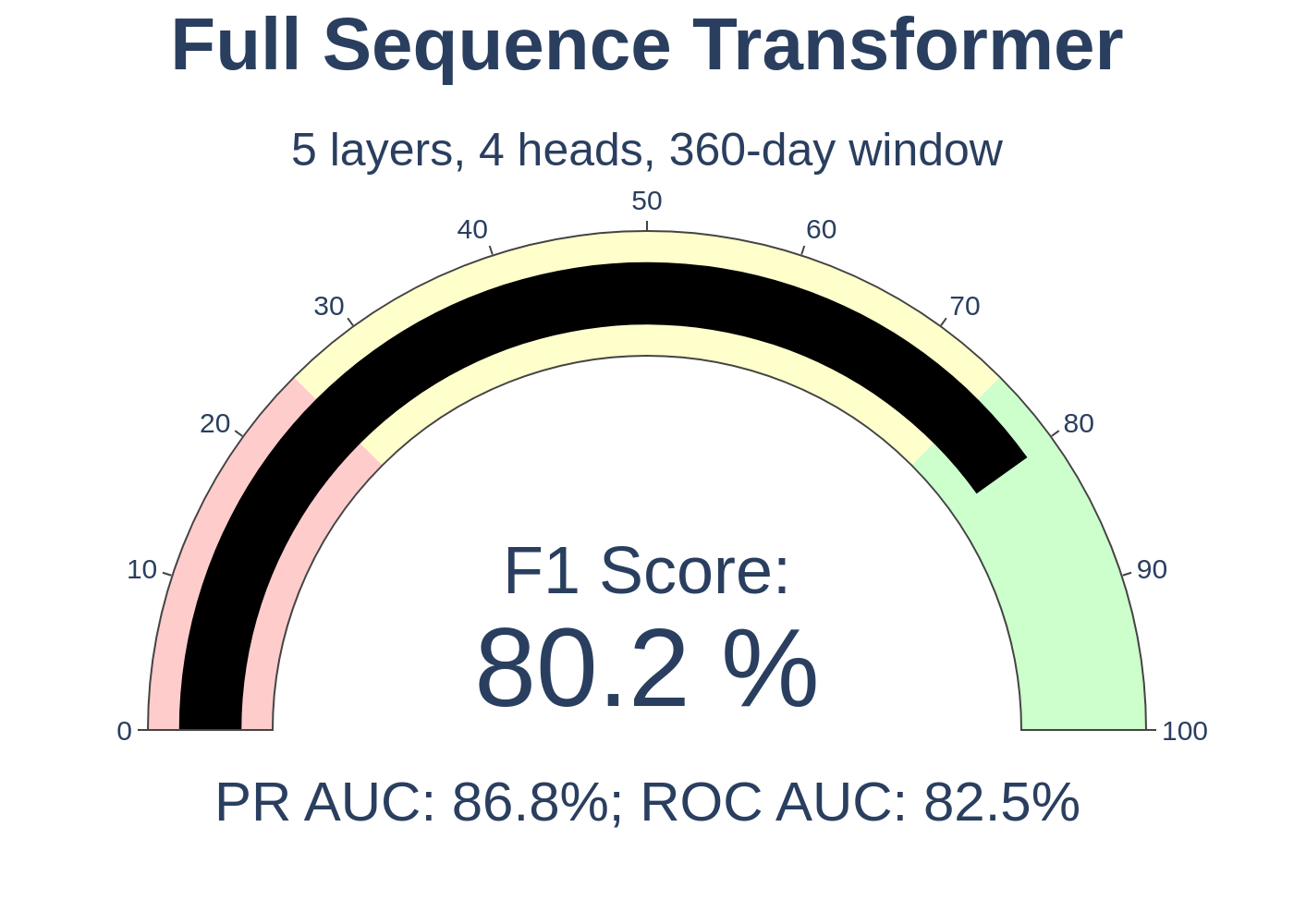
Run our transformer-based churn prediction model to identify customers at risk of leaving.
Upload the ETL, customer segmentation and churn prediction results to the Azure Lab database.

The updated churn analysis will now be visible in the Tableau dashboard, with the recently collected data now included.
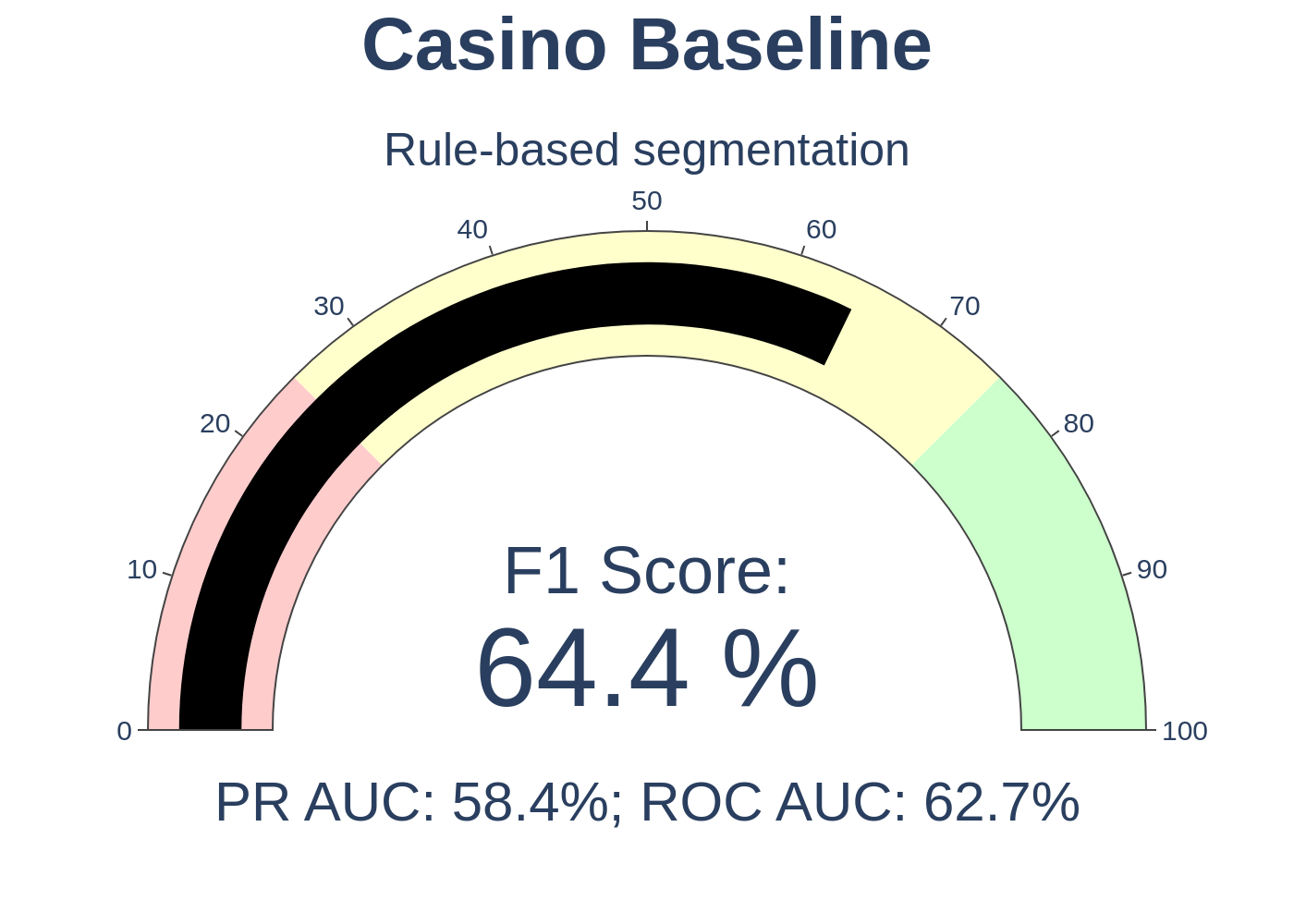
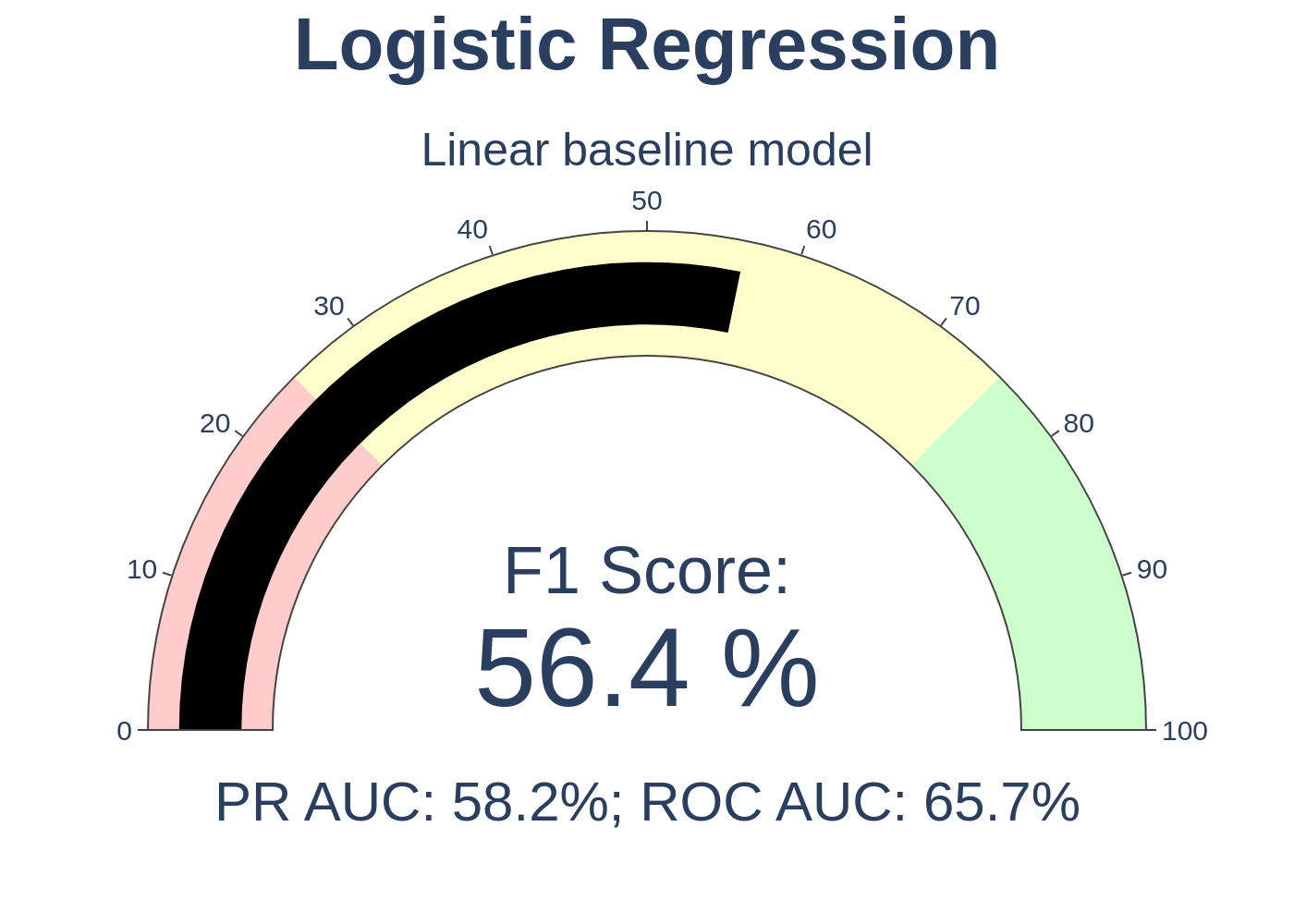
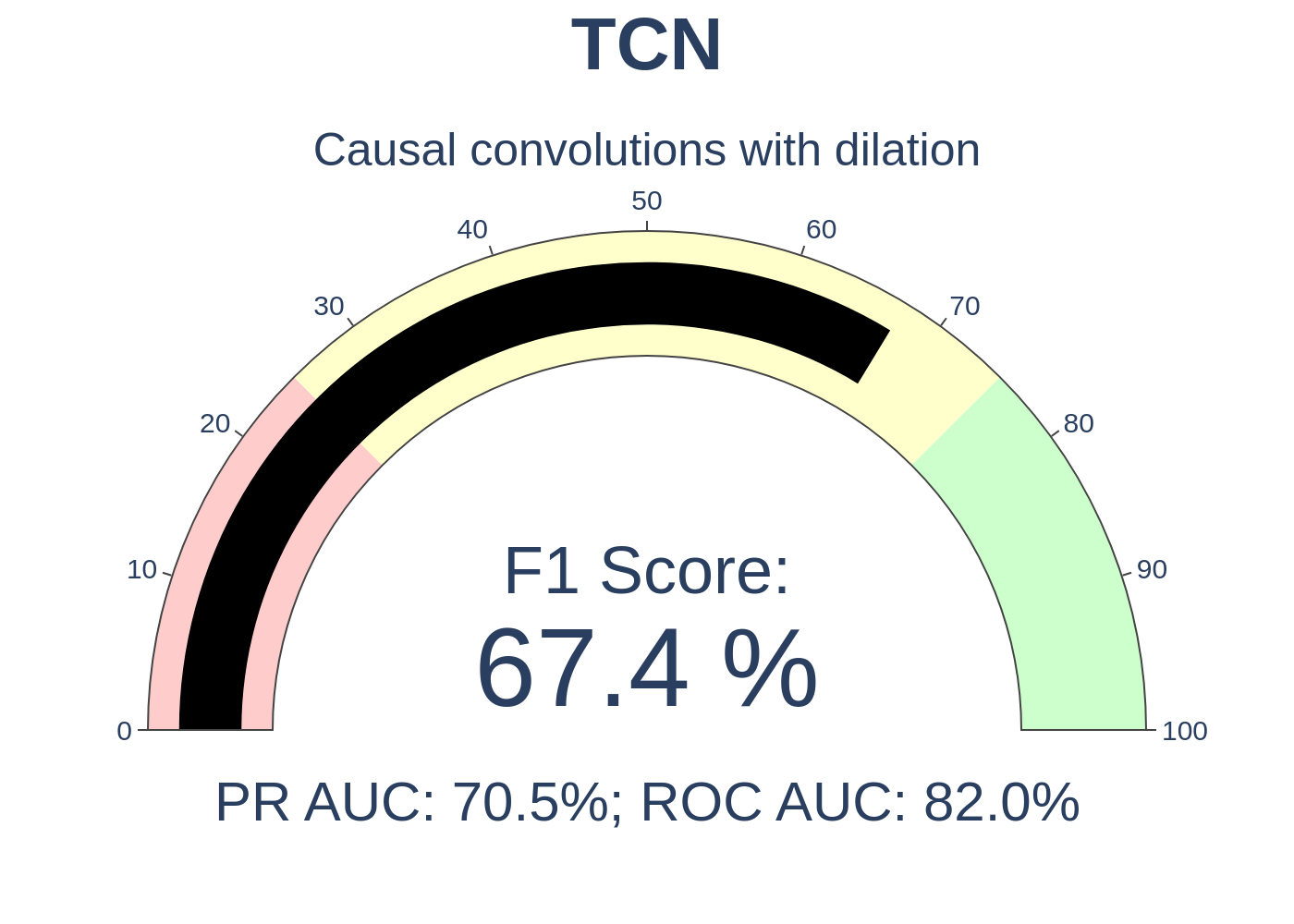
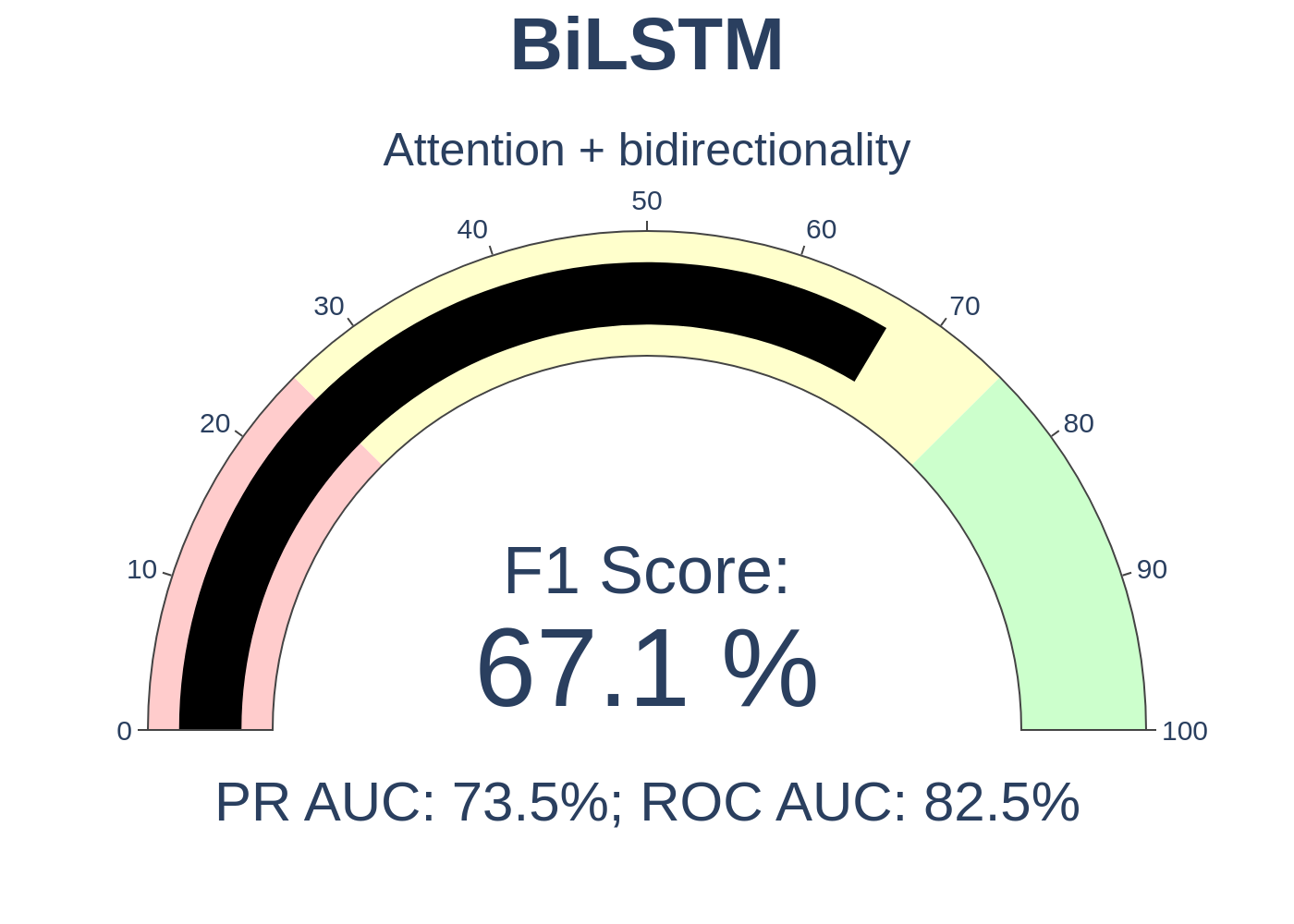
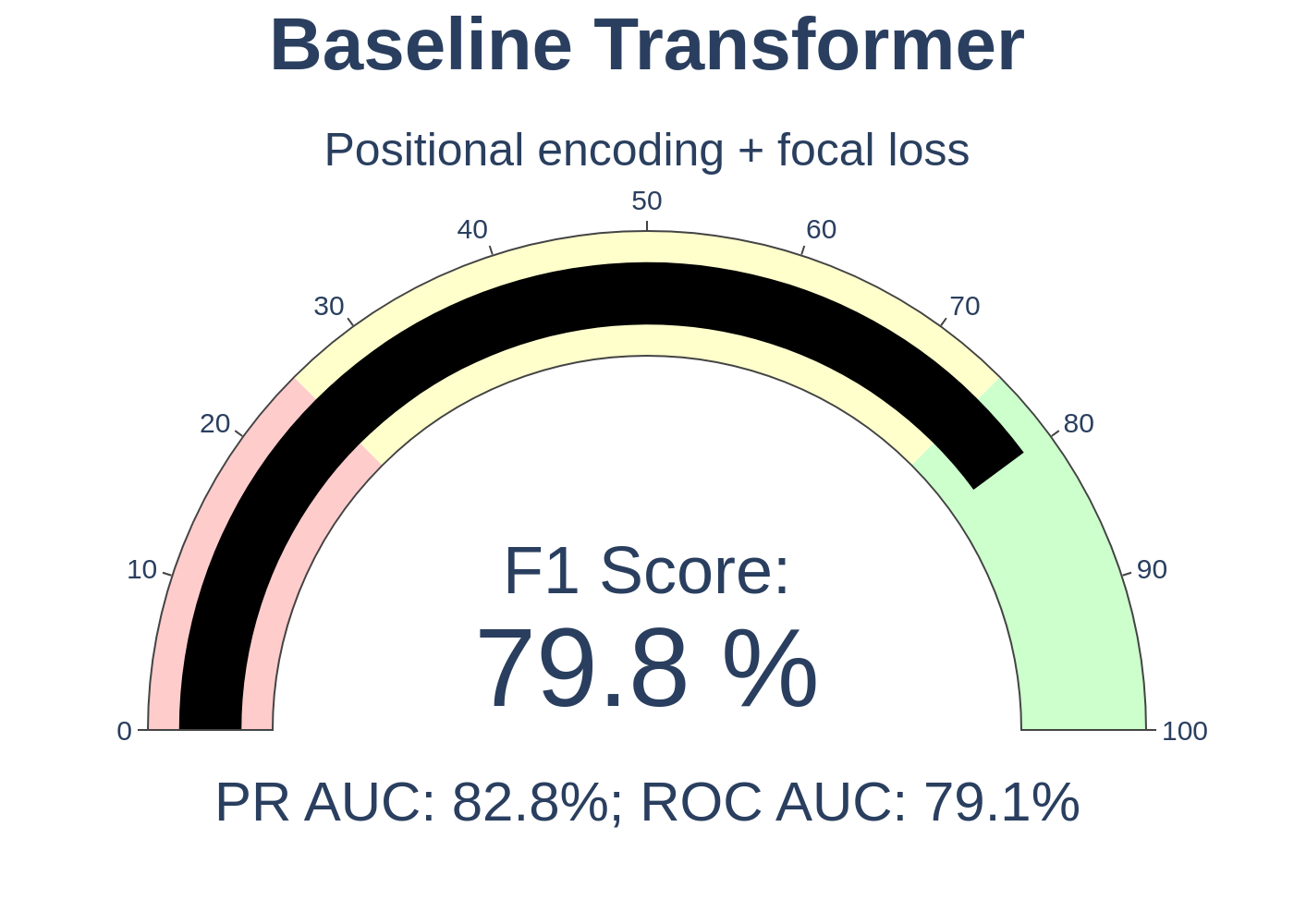
The clustering model segments casino players into behavioral groups by analyzing their gaming patterns, creating five distinct clusters:
Frequent, long sessions
Consistent poker enthusiasts
Monthly variety players
Occasional players
Single-session players
The model incorporates table time, game preferences, and betting limits, using PCA for dimensionality reduction and K-means clustering optimized by silhouette score. This integration allows prediction of not just who will churn, but how churn patterns vary across different player segments.
Successfully incorporated the richness of temporal patterns without overfitting through careful feature engineering and model architecture selection.
Overcame limitations of traditional non-neural network approaches by leveraging transformer architecture for superior pattern recognition.
EDA, Feature Engineering, Model Development
Data Pipeline, Stakeholder Communication, Visualization Design
Algorithm Design, Dashboard Integration, Performance Optimization
EDA, Feature Engineering, Infrastructure Setup, Website Development
All team members contributed to cross-functional reviews of EDA, modeling, infrastructure, and visualizations
We would like to thank our professors Zona Kostic and Morgan Ames for their invaluable guidance throughout this project. Special thanks to the Commerce Casino team members who provided insights and access to the anonymized dataset that made this analysis possible.

Michael Drexler

Michael Eisenberg

Edwin Figueroa

Ayushi Joshi